Adrian Mateos’s Crucial Turn: The Hand That Secured His Sixth Bracelet
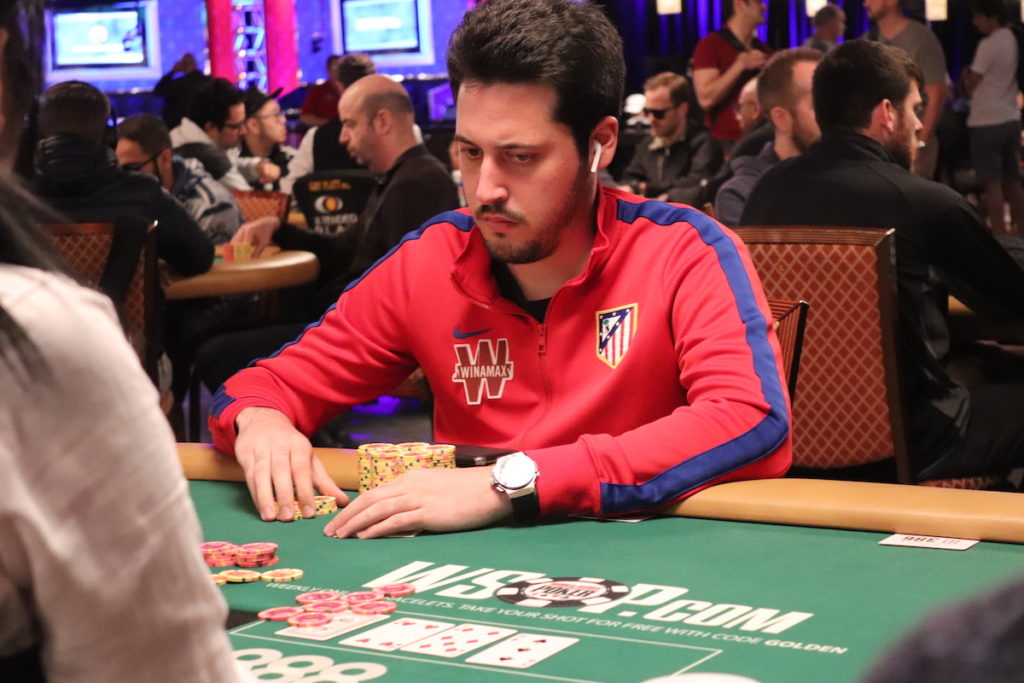
In the high-stakes arena of the World Series of Poker, where fortunes and legacies are decided by the turn of a card, few moments carry the weight of a pivotal hand in a heads-up battle for a bracelet. For Adrian Mateos, the Spanish poker prodigy whose name is already etched among the game’s modern greats, his latest victory—a sixth WSOP bracelet—was secured not in a prolonged war of attrition, but in a single, masterfully played critical hand. This triumph placed him in the rarefied company of global stars like Phil Ivey, Daniel Negreanu, and Phil Hellmuth as one of the few players in the world with such a collection. While the entire tournament was a display of his relentless skill, the analysis of that one crucial turn decision against a formidable opponent reveals the strategic depth and mental fortitude that defines a true champion. It was a hand that didn’t just win a pot; it effectively broke the spirit of the match and paved the way for a swift conclusion, offering a masterclass in endgame pressure and precision.
Setting the Stage: A Heads-Up Duel for the Ages
The final table of the latest WSOP bracelet event had been a grueling affair, whittling down a field of hundreds to just two players: Adrian Mateos and the American high-stakes crusher, Chris Brewer. Both players had navigated a minefield of talent, including tough competitors like Sam Soverel and Maria Ho, to reach this point. The chip stacks were relatively even, with Mateos holding a slight lead, but the dynamic was tense. Brewer, known for his aggressive and unorthodox style, had been applying significant pressure, making the heads-up battle a volatile pendulum swing. The atmosphere in the Amazon Room was electric, with railbirds and poker media alike sensing that the next major pot could decide the fate of the coveted gold bracelet and the seven-figure prize. It was in this crucible that the defining hand of the tournament unfolded.
The Preflop Action and Flop Dynamics
With the blinds at a towering level, Mateos, on the button, looked down at a powerful holding: Ace-King of diamonds. He opened with a standard raise. Brewer, in the big blind, peered at his cards and opted for a three-bet, a move squarely in his wheelhouse of applying preflop pressure. Mateos, never one to back down from a challenge, especially with such a premium hand, made the call. The flop fell Ten of clubs, Nine of diamonds, Seven of diamonds. This was a fascinating board, offering draws and potential pair opportunities for both players. Brewer, true to form, led out with a continuation bet. Mateos, now with an overcard to the board, a gutshot straight draw, and the nut flush draw, faced a critical decision. A raise here could end the hand immediately, but it could also stack him off against a monster. He chose the patient, pot-controlling route: a call.
The Crucial Turn Card and Decision Point
The dealer burned and turned the pivotal card: the King of hearts. This card changed everything. It paired Mateos’s king, giving him top pair with the nut flush draw. Brewer, after a moment’s thought, fired a second barrel, a sizable bet that represented significant strength, perhaps a hand like Ten-Nine or a set. Now, Adrian Mateos was at the crossroads of the tournament. A call would keep the pot manageable but leave a difficult river decision. A fold was out of the question with such a strong hand. His decision was to move all-in. This was not a reckless shove; it was a calculated, aggressive maneuver based on a deep read of the situation. He was leveraging the strength of his combined draws and pair, while also applying maximum pressure back onto Brewer. The Spaniard was effectively representing a very narrow range of super-strong hands that could have made a straight or a set, forcing Brewer to make a hero call for his entire tournament life.
Decoding the Strategic Masterstroke

Mateos’s all-in raise on the turn was a thing of beauty in its complexity. First, it capitalized on the specific texture of the board. The King of hearts was a scare card for many of the hands Brewer could be betting for value, like a lone Ten or Nine. By shoving, Mateos turned his strong drawing hand into an immediate bluff-catcher eliminator. Second, it exploited the dynamic of the match. Brewer had been the aggressor, and Mateos’s sudden escalation forced him into a spot where he had to either have the absolute nuts or make a soul-read. The bet size was also crucial; by moving all-in, Mateos left no room for Brewer to re-bluff or make a small probing call. It was a binary decision: commit everything or surrender the pot and a massive chunk of chips. This level of decisive pressure at such a critical juncture is what separates great players from legendary ones.
Actionable Insights from the Hand
For players looking to incorporate elements of Mateos’s strategy into their own game, several key lessons emerge. One must always consider the opponent’s perceived range versus one’s own perceived range. On that turn card, Mateos understood that his line—calling preflop and calling the flop—could now perfectly represent a hand like Jack-Eight for a straight or a slow-played set. His shove made perfect sense from that strong range. Another tip is to not be afraid to turn a drawing hand into a bluff when the board changes favorably. His Ace-King went from a draw to a powerful semi-bluff with immense fold equity. Furthermore, in high-pressure heads-up play, changing gears abruptly can be devastatingly effective. Brewer was expecting a call or fold; the all-in raise disrupted his entire decision tree and forced a mistake.
The Immediate Aftermath and Victory
Chris Brewer went deep into the tank, the weight of the moment visible on his face. The broadcast cameras captured every second of the agonizing decision. After several minutes, Brewer released his cards, folding what was later revealed to be Ace-Ten for top pair. The pot was pushed to Mateos, giving him an overwhelming chip lead that was nearly 5-to-1. The wind had been completely taken out of Brewer’s sails. Just a few hands later, Mateos finished the job, clinching his sixth WSOP bracelet. The victory lap was a celebration not just of the win, but of the execution of a perfect high-pressure strategy. The poker community on platforms like PokerGO and the commentary teams, including names like Ali Nejad and Lon McEachern, widely pointed to that turn decision as the moment the bracelet was won.
Mateos’s Legacy and the Road Ahead
This latest bracelet further cements Adrian Mateos’s status as one of the most formidable tournament poker players of his generation, a peer to other international icons like Stephen Chidwick and Michael Addamo. His ability to remain ice-cool under pressure and make theoretically sound yet explosively aggressive plays defines his style. For aspiring players, studying such hands is invaluable. It moves beyond simple hand charts and into the psychology of high-level tournament poker, where understanding meta-game, opponent profiling, and moment selection is paramount. As the poker world looks ahead to future WSOP events in Las Vegas and on the international circuit like the EPT and WPT, Mateos’s name will undoubtedly be on the list of favorites in any event he enters, a testament to the skill displayed in hands like these.
Remember, poker is a game of skill played for entertainment. The hands discussed represent high-level tournament strategy and should be enjoyed as a learning resource. Always play within your means and view gambling as a form of leisure, not a way to solve financial problems. If you or someone you know needs support with gambling, seek help from professional organizations like Gamblers Anonymous or GamCare to promote responsible gaming practices.
