Kristen Foxen’s Sixth Bracelet: Dominating High Roller No-Limit Hold’em
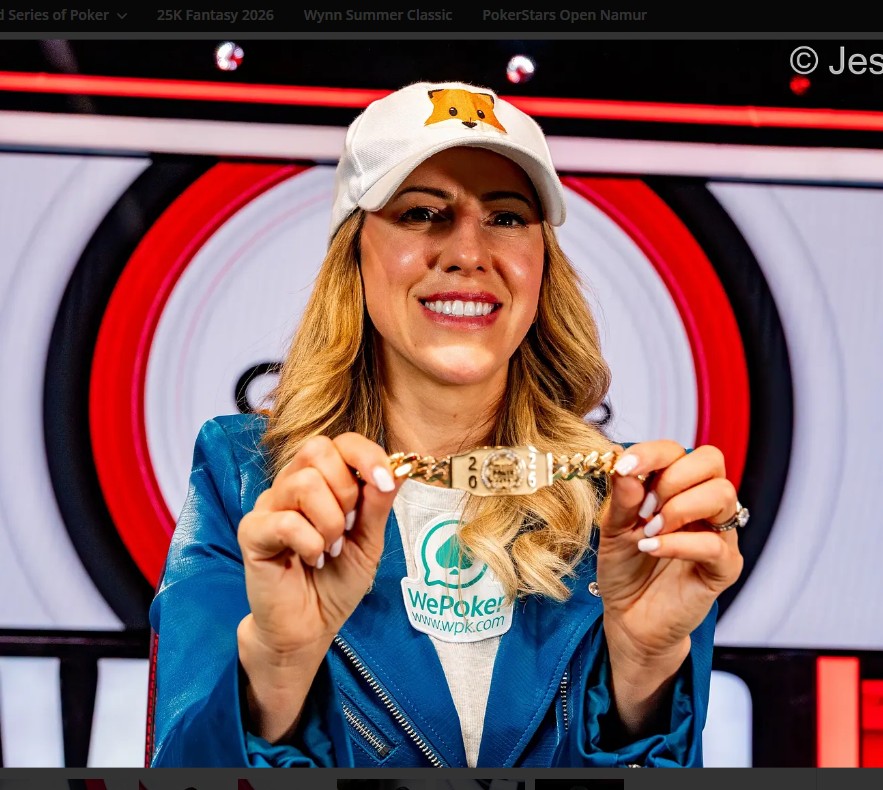
The world of high-stakes tournament poker is a relentless arena where skill, nerve, and adaptability are constantly tested. In this elite sphere, few have demonstrated the sustained excellence of Kristen Foxen. Her recent triumph in a prestigious high roller no-limit hold’em event at the World Series of Poker, securing her sixth coveted gold bracelet, was not merely a victory lap but a masterclass in high-pressure decision-making. This win, a headline run in a major tournament, underscored her status as one of the game’s premier talents. The path to this latest bracelet was paved with a series of critical hands and razor-sharp strategic adjustments that offer profound insights for any serious player looking to understand the nuances of tournament climaxes.
Building a Stack: The Foundation of Foxen’s Run
Success in any major tournament, especially a high roller event with fields comprising the game’s best, is built on a foundation of consistent, aggressive chip accumulation. Foxen’s approach in the early and middle stages was a textbook display of applying controlled pressure. She expertly navigated the delicate balance between exploiting her table image as a proven champion and capitalizing on the inherent tightness of high roller fields, where players are often wary of committing large portions of their stack without premium holdings.
Leveraging Position and Initiative
A recurring theme in Foxen’s gameplay was her masterful use of position. From late positions, particularly the button and cutoff, she frequently applied pre-flop raise pressure, forcing opponents in the blinds to defend with a wide range of hands. Once she took the initiative, Foxen demonstrated a keen ability to continuation bet on a high frequency of flops, regardless of whether she connected. This relentless pressure often led to opponents folding on the flop or turn, allowing her to accumulate chips without showdown. For players aspiring to emulate this style, the actionable strategy is clear: prioritize aggression from late position, understand that taking the initiative pre-flop grants you multiple ways to win the pot post-flop, and do not be afraid to apply pressure on dry, uncoordinated boards that are difficult for your opponent’s range to hit.
A Key Middle-Stage Double-Up
A pivotal moment in Foxen’s journey occurred during the middle stages against a formidable opponent like Stephen Chidwick. With blinds escalating, Foxen found herself in a classic high roller confrontation. Holding pocket tens, she faced a three-bet from Chidwick in position. Recognizing the need to chip up and the strength of her hand, Foxen opted for a four-bet, a move that polarized her range. Chidwick, with a holding like Ace-King, made the call. The flop came down with a low king, a seemingly terrible card for Foxen’s tens. However, when Chidwick checked, Foxen made a disciplined continuation bet, representing the very king that had hit. Chidwick, perhaps wary of Foxen’s four-betting range including kings and aces, released his Ace-King. This hand was less about the cards and more about the power of narrative and perceived range. The takeaway for players is the importance of telling a consistent story with your bets and understanding that even the world’s best can be forced off strong hands when the board and action contradict their holdings.
The Final Table: Precision Under the Brightest Lights

Navigating a high roller final table is a distinct challenge, requiring a dynamic strategy that shifts with each elimination. Foxen entered the final table with a strong, but not dominant, stack. Her play here transitioned from relentless accumulation to a more nuanced, player-dependent approach. She identified the more cautious players at the table, such as perhaps a Mikita Badziakouski when short-stacked, and applied maximum pressure to them. Conversely, against aggressive chip leaders like Isaac Haxton, she chose her spots with surgical precision, often using her table image to win small pots without confrontation.
Navigating a Critical Three-Bet Pot
In a crucial hand during five-handed play, Foxen found herself facing a button open from an aggressive player. From the small blind, she looked down at Ace-Queen offsuit. A standard call could lead to a difficult out-of-position post-flop play. Instead, Foxen elected for a three-bet, a move that accomplished multiple goals: it denied the button the easy steal, it allowed her to take control of the hand, and it set up a potential double-up scenario. The button player called. The flop was queen-high with two low cards, a fantastic outcome for Foxen’s hand. She led out with a substantial continuation bet, committing to her pre-flop story. Her opponent, perhaps with a hand like Ace-Jack or a smaller pair, made the call. The turn was a blank, and Foxen, recognizing that her opponent was likely drawing thin or to very few outs, moved all-in. This decisive shove forced a fold, securing a vital pot. The strategy here is about turning a good but vulnerable hand into a weapon through assertive pre-flop and post-flop play, especially when you flop top pair, top kicker.
The Champion’s Mindset: Closing Out the Victory
The heads-up battle for the bracelet is where mental fortitude is paramount. Foxen entered heads-up play with a slight chip deficit against a talented opponent, but her experience in these high-leverage situations was evident. She avoided the temptation to make reckless plays to regain the lead quickly. Instead, she focused on applying steady pressure, using small-ball tactics to gradually erode her opponent’s stack. She consistently won the blinds and antes, chipping up without unnecessary risk.
The Final Hand: A Lesson in Patience and Pressure
The final hand of the tournament was a testament to Foxen’s patience. After hours of heads-up play, she had clawed back to a commanding chip lead. Her opponent, now significantly shorter, began shoving over her button opens with a wide range. Foxen, disciplined as ever, folded several hands in a row, waiting for a spot where she was comfortable calling. That spot came when she looked down at pocket nines. Facing another all-in, she made the call, knowing her hand was likely ahead of her opponent’s shoving range. Her opponent showed King-Jack offsuit. The board ran out with no help for the king-high, and Foxen’s nines held to secure her sixth bracelet. This final sequence underscores a vital heads-up principle: when you have a large lead, your primary goal is not to gamble unnecessarily. Let your shorter-stacked opponent be the one forced to take marginal risks, and be prepared to call with a rational, not emotional, range when the moment is right.
Strategic Takeaways from a Bracelet-Winning Performance
Kristen Foxen’s latest high roller victory provides a roadmap for success in modern tournament poker. Her ability to seamlessly shift gears from aggressive chip accumulation to a more selective, exploitative final table strategy is a skill honed through years of competition at the highest level. Key lessons include the paramount importance of position and initiative, the power of constructing and adhering to a coherent betting narrative, and the disciplined patience required to close out a tournament. Furthermore, her play highlighted that even in a game of incomplete information, the decisions of the world’s best are often based on logic, range analysis, and a deep understanding of opponent tendencies rather than the mere strength of two cards.
As we celebrate these moments of poker brilliance, it is crucial to remember that the skills displayed by professionals like Kristen Foxen are the result of a lifetime of study and experience. Poker should always be approached as a form of entertainment first, with strict personal limits in place. If you or someone you know is struggling with gambling, please seek help from organizations like Gamblers Anonymous or your national responsible gambling helpline. Play for the challenge and the competition, play within your means, and never chase losses.
